
When a pet dies suddenly
Most of the writing about pet loss assumes some warning — a diagnosis, a slow decline, a decision you saw coming. Sudden death is a different shape of grief, and the first two days have their own problems: there was no goodbye, often no explanation, and there are practical decisions that will not wait.
The thing that makes it harder
With a slow loss, the goodbye is a process. You have time to say things, to prepare, to get used to the idea. With a sudden death there is none of that, and the mind tends to compensate by replaying the last hour — what you did, what you did not notice, whether leaving the room mattered.
That replay is not insight. It is what a brain does when it has no narrative to close on. It usually eases within a couple of weeks, and it is not a sign that you did something wrong.
What cannot wait
Where the body is now. If it happened at home, you have hours rather than days. Options are a vet (who can hold it or arrange cremation), a pet crematorium directly, or home burial where local rules allow it. In most cities, burying in a garden is legally restricted or prohibited — check before you dig.
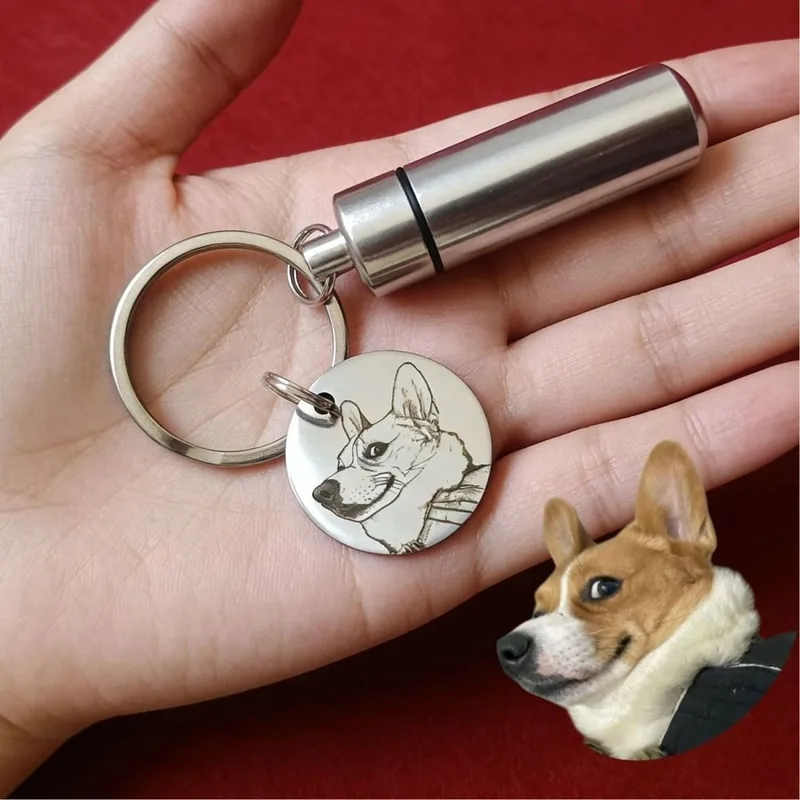
Whether you want the ashes back. Communal cremation is cheaper and gives you nothing back. Individual cremation costs more and returns ashes. This is asked at the point of collection and is difficult to change afterwards, so decide before you call rather than at the counter.
Who else needs to know. If there are children in the house, telling them before they discover it is usually kinder than the alternative, even though it is the harder conversation.
What can wait
Almost everything else. The bowls, the bed, the toys, the collar — none of it needs to be dealt with in the first week. A common pattern after a sudden death is clearing everything in a day because the house feels unbearable, and regretting it a month later.
If you cannot look at something, put it in a cupboard rather than in a bin. You can always throw it away later; you cannot get it back.
If it happened while you were out
This is one of the most common forms of sudden loss and one of the most guilt-laden. People describe coming home and knowing immediately, then spending weeks on whether the animal was alone and whether that mattered.
What is true: animals do not experience time the way we do, and they do not rehearse their own death. The story in which they suffered for hours is usually a story the mind builds, not one that happened. That does not make the guilt go away, but it is worth knowing it is not evidence.
Something to do that helps
The one action most people are glad they took is capturing what they still have. Not the memorial — the raw material: photos on an old phone, a video with their bark in it, a voice note, the collar, a clipping of fur.
Do it in the first week if you can. Not because it is urgent in the practical sense, but because the energy to look through old files is highest early and drops off sharply. Whatever you gather can sit untouched for a year; the point is that it exists.