
How to preserve pet fur
Fur is one of the few things that survives almost unchanged if you store it properly, and one of the fastest things to ruin if you do not. The good news is that the correct method costs nothing and takes about two minutes.
Collect it with a brush, not scissors
Brush them over a sheet of paper or a clean sink and gather what comes loose. Cut fur works too, but it gives you blunt ends and a coarser look; brushed fur keeps the natural taper. If your pet is short-haired, a rubber grooming mitt picks up far more than a bristle brush does.
Put it straight into a paper envelope, not a plastic bag. Label it with the date. If you can, collect two lots — one to use, one to keep in reserve. It costs nothing and it means a mistake later is not final.
Store it dry and dark
Three conditions matter: dry, dark, and not airtight. A paper envelope in a drawer meets all three. A plastic zip bag fails the third — fur holds a little moisture, and a sealed bag traps it. That is how you get mould, and mould on fur cannot be cleaned off without destroying the fur.
Keep it out of the bathroom and the kitchen. Humidity swings do more damage than temperature does. Direct sunlight bleaches colour within a season.
Four things that ruin fur
1. Sealing it in plastic. Covered above, and it is the most common one. A sealed bag feels protective and is the opposite.
2. DIY resin encapsulation. Pouring resin over fur looks like a good idea and goes wrong often. Resin yellows within a couple of years, air bubbles get trapped against the fur, and the process is irreversible — once it is set, the fur is gone. If a piece is going to be resin, it should be made by someone who has done hundreds of them, and even then it yellows.
3. Gluing it down. Craft glue stiffens fur into a mat and yellows as it ages. Whatever it is stuck to, the fur no longer looks like fur.
4. Washing it. Do not. Water mats the fibres together and you will not get them apart again. If it is dirty, pick out the debris with tweezers instead.
Why a chamber beats resin
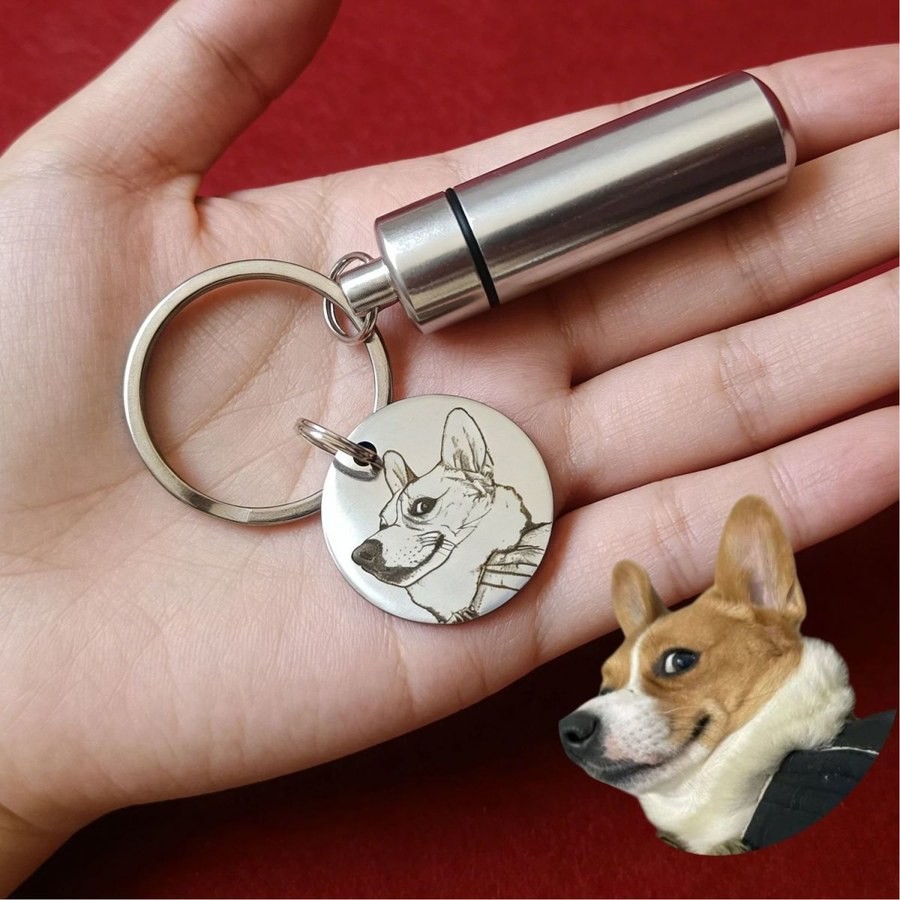
A chamber is a small empty space behind a plate, closed with a screw or a press-fit lid. The fur sits inside without touching any chemical, and it can be taken out again. That reversibility is the whole point: if you change your mind, or want to move the fur to something else in ten years, you can.
It is also why ours ship empty. You fill it at home, so nothing is posted to us, nothing goes through customs, and nobody else handles it. Whatever the reason people give, the real benefit is that the fur never leaves your house.
How much fur you actually need
About the size of a thumbnail, loosely packed. Long-haired breeds need less by volume because the fur fluffs up; short-haired breeds need a slightly denser pinch. A chamber with a 20mm opening holds plenty — more than that and the lid will not close cleanly.
If there is no fur
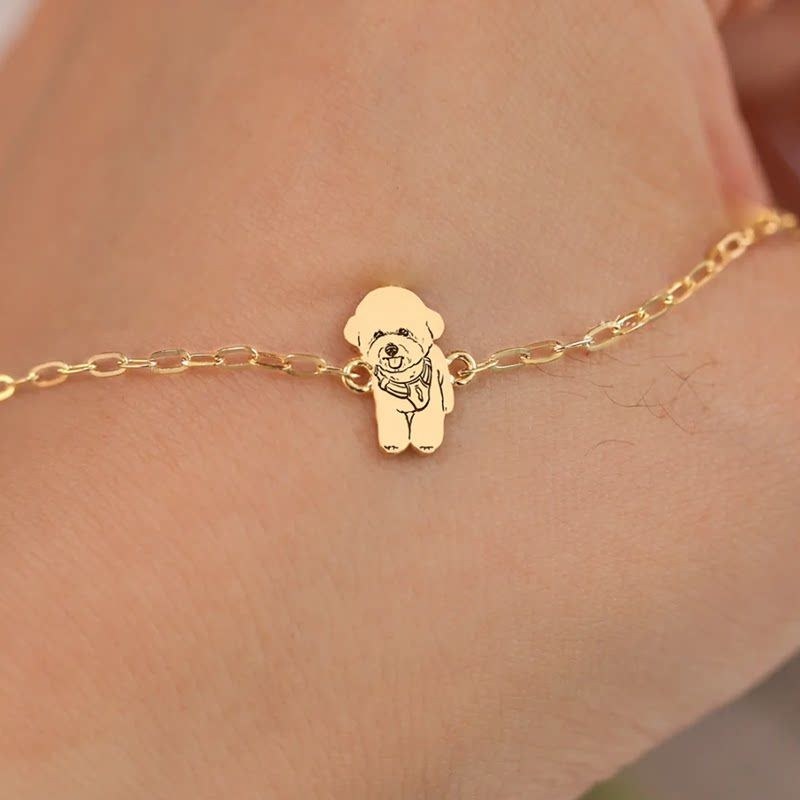
Short-haired pets still leave enough on a brush after a week. If there is genuinely none — a hairless breed, or a pet who passed long before you thought to collect — there is no substitute, and a service offering to "recreate" it is inventing something. What can be made instead is a portrait from a photo, which keeps the face rather than the coat.
Questions people ask
How long does pet fur last if stored properly?
Can I wash the fur first?
My pet had very short hair. Is that enough?
Will you put the fur in for me?
Related reading
- How to take a paw print at home — three methods, and what ruins the press
- How to choose a pet memorial keepsake — the four main kinds
- How long a custom memorial takes — real production and shipping times
- Can You Put Pet Ashes in Jewelry?