
How to take a paw print at home
A paw print is the only keepsake that keeps a shape rather than a picture. It is also the thing people most often wish they had taken sooner — usually on the day it becomes too late. If you are reading this before that day, take the print this week. It takes ten minutes and costs almost nothing.
Three ways, in order of how much mess they make
1. Ink and paper. Fastest, and the only one that needs no drying. Use a pet-safe ink pad or a thin layer of non-toxic water-based paint on a flat plate. Press the paw down for two to three seconds, then press it onto plain white paper. Clean the paw with a damp cloth straight after — most pet-safe inks come off in one wipe. The downside is that it is a flat image: it will not hold a dent you can feel.
2. Dough. Two parts flour, one part salt, one part water. Knead it, roll it about a centimetre thick, press the paw, then either air-dry it for a few days or bake it low and slow. It works, and the ingredients are already in the kitchen. It also cracks if it dries too fast, and it does not last forever.
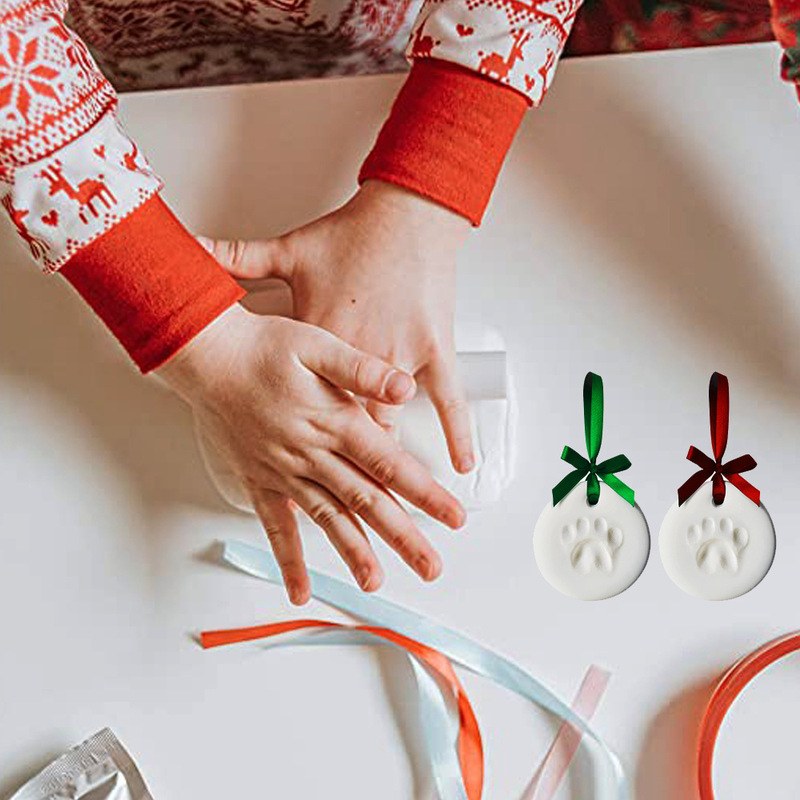
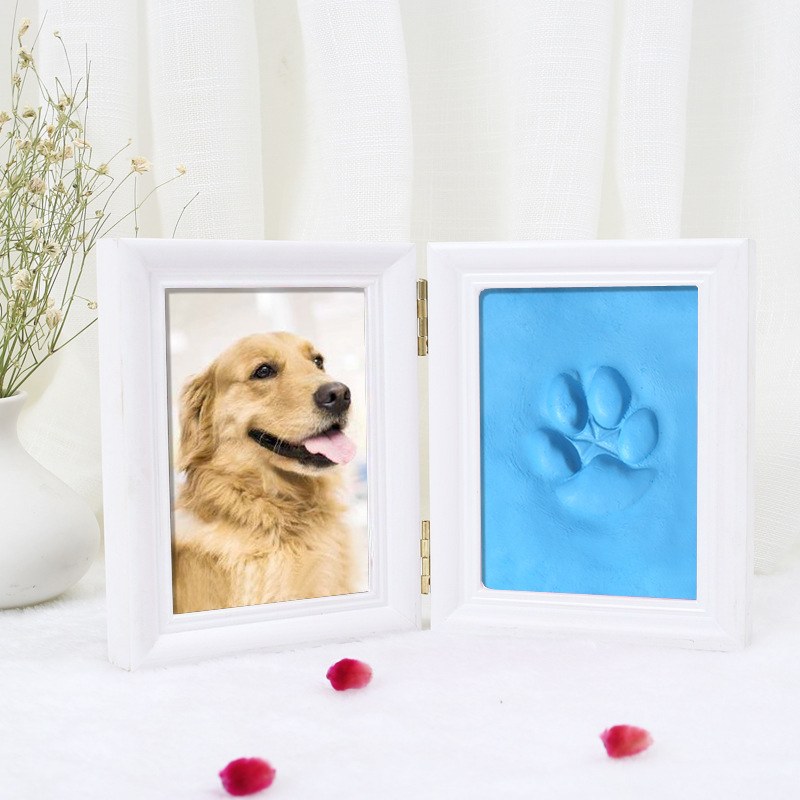
3. Air-drying clay. The most durable of the three and the cleanest — no ink on the paw, no flour on the floor. Soften it, roll it flat, press the paw, trim the edge, then leave it overnight. No oven and no firing. This is what the kits we sell contain, along with a shaping pen, a roller and sanding paper for the edge.
The press is the part people get wrong
Almost every failed print fails the same way: too much pressure. A paw pad is soft. Push hard and it spreads, the outline blurs, and you get a smudge rather than a print. The fix is to let the animal's own weight do the work — have the dog stand on the clay and gently steady the leg rather than pushing down on it.
Three smaller things that matter:
- Dry the pad first. A wet paw on clay or paper gives a blurry edge. Towel dry, wait a minute, then press.
- Trim or wet the fur. On a long-haired dog the fur between the pads stops the clay reaching the skin. Dampen it and push it aside, or trim a little — it grows back.
- Standing beats sitting. A standing dog puts even weight on all four pads. A sitting dog tends to curl the back feet.
Cats are not small dogs
The method is the same, but the pressure is not. A cat's pad is smaller and softer, so an even, gentle press gives you the whole shape — press as hard as you would for a dog and you get a blob. Two practical differences:
- Clean the pad properly. Litter sticks in the crevices. A damp cloth, then let it dry fully, or the print will have grit pressed into it.
- Wait for the right moment. Most cats will not tolerate a held paw. Take the print when they are asleep or deeply relaxed, and do one paw only. A single clean print is better than four bad ones and a scratched hand.
Drying, and the mistake that ruins it
Air-drying clay needs 24 to 48 hours, depending on how thick you rolled it. The mistake is speeding it up: a radiator, a sunny windowsill or a hairdryer will dry the surface before the middle, and the piece cracks. Leave it somewhere ordinary and forget about it. If the middle is still cool to the touch after two days, give it another day. Once dry, sand the edge and it stops looking homemade.
If you never got the print
This is the part most sites will not tell you. A paw print cannot be reconstructed from a photo. The ridges are not visible in a photograph, and any service offering to "extract" a print from a picture is inventing the texture. If the print was never taken, it cannot be made afterwards.
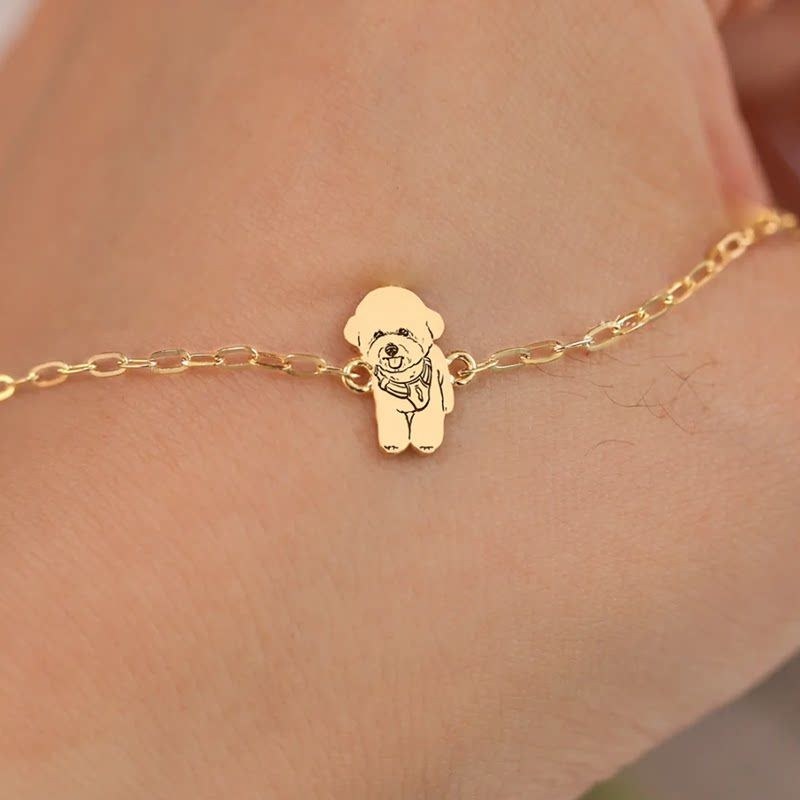
What can still be done is a portrait. A piece worked from a photo you already have keeps their face — which is what most people are actually reaching for when they ask about a paw print. It is a different object, and it is honest about being different.
If your pet has passed within the last few hours, the joints are still flexible and a print can usually still be taken. Ask your vet — most will do it, and most have done it before.
Questions people ask
Can I take a paw print after my pet has passed away?
What if my dog will not stand still?
How long does air-drying clay take?
Can you make a paw print from a photo?
Related reading
- How to preserve pet fur — storage, and four things that ruin it
- How to choose the right photo — what carries the likeness
- How long a custom memorial takes — real production and shipping times